Loading...
Serving Rochester, MN and surrounding areas. (507) 738-1270
If your Rochester home loses heat through under-insulated walls every winter, we can fix that without tearing your walls apart.
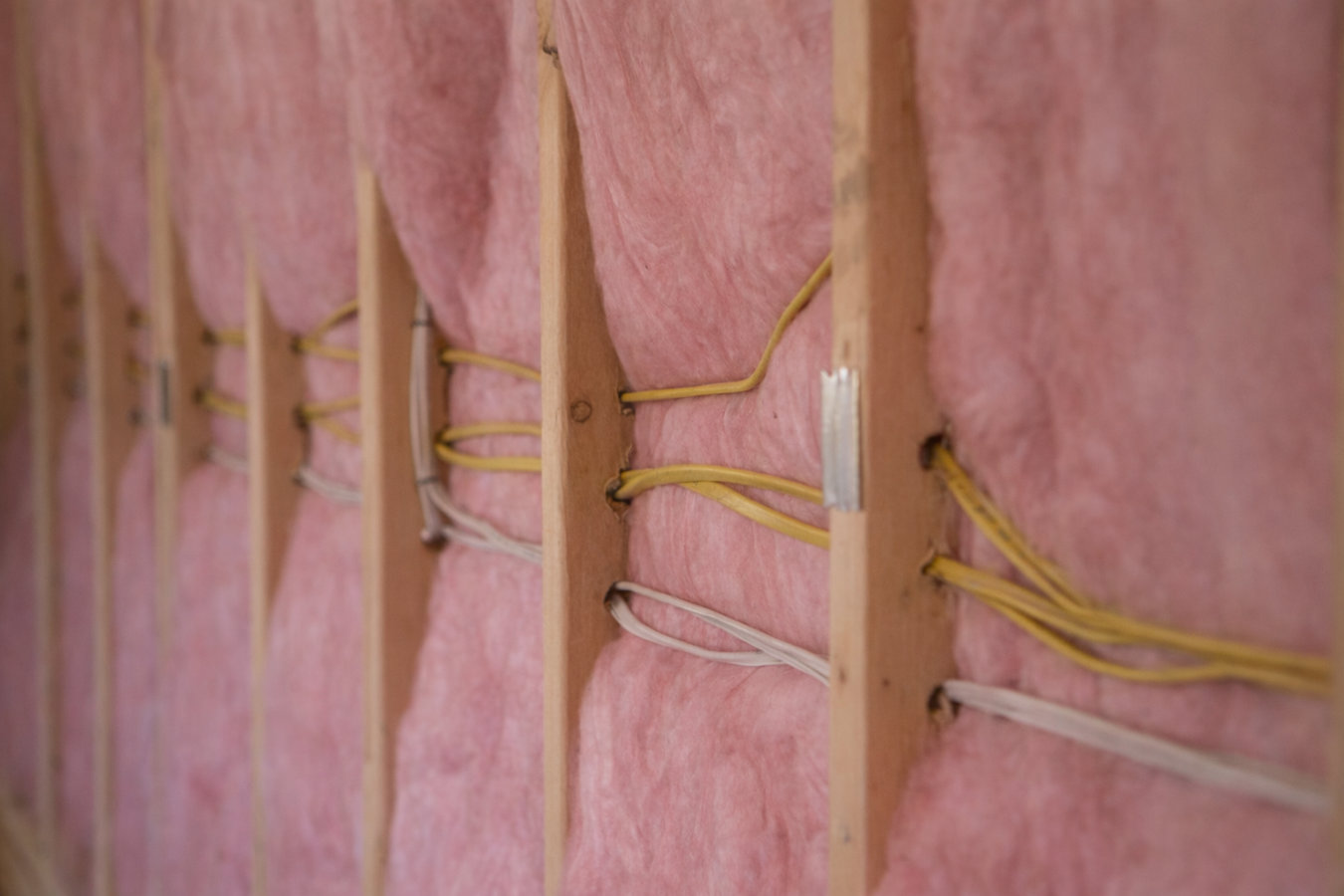
Wall insulation in Rochester fills the cavities inside your exterior walls with blown-in or spray foam material to stop heat from escaping, most jobs for an average home are completed in one to two days with no major disruption to your living space.
Rochester sits in Climate Zone 6, one of the most demanding heating climates in the country, and a large share of homes here were built before modern insulation standards existed. If your home is more than 40 years old and has never had insulation work done, cold exterior walls and high heating bills are likely connected. Many homeowners who deal with this also benefit from air sealing services to stop drafts that insulation alone cannot block.
The good news is that we can add insulation to already-finished walls without tearing out the drywall. We drill small access holes, fill each cavity completely, and patch everything before we leave. Call (507) 738-1270 or use the contact form to schedule a free in-home assessment.
These four signals are worth paying attention to, especially in an older Rochester home.
If your gas or electric bill jumps sharply from October through March and never matches what neighbors with similar homes pay, your walls may be letting heat escape. Rochester winters are long enough that even moderate insulation gaps translate into hundreds of dollars of wasted energy each season.
Press your hand flat against an exterior wall on a cold Rochester day. If it feels noticeably colder than interior walls, or if you feel a draft near electrical outlets on outside walls, heat is escaping through the wall cavity. This is especially common in homes built before the 1980s.
Rochester's prevailing winter winds come from the northwest, and rooms on that side of the house take the worst of it. If certain rooms always feel chilly no matter how high you set the thermostat, the walls on the exposed side likely have inadequate insulation. That's a localized problem with a localized fix.
Homes built in Rochester before the early 1980s were often constructed with little or no wall insulation, or with materials that have degraded over time. If you have no record of insulation upgrades, there's a reasonable chance your walls are significantly under-insulated by today's standards.
The right wall insulation method depends on whether your walls are open or already finished. For most Rochester homeowners dealing with a finished home, blown-in loose-fill is the answer. We drill small access holes in the wall surface, insert a hose, and completely fill each stud bay from the top down. Every hole is patched before we leave. If you're doing a full renovation with open studs, spray foam is worth considering for its air-sealing properties alongside the insulation value.
For open-stud construction, batt insulation is a straightforward and cost-effective option that works well when walls are accessible. We also pair most wall insulation projects with a conversation about air sealing services, because insulation slows heat transfer but air sealing stops drafts from bypassing it entirely. Doing both together produces noticeably better results than either alone.
Homes with blown-in insulation in their walls benefit from a process that reaches awkward cavities that batt material simply cannot fill uniformly. If you're unsure which approach fits your home, the in-home assessment will answer that question clearly. We explain what we find and give you a written quote before any work is scheduled.
Best for finished walls that are already drywalled - small access holes are drilled, cavities filled, and everything is patched before we leave.
Ideal for open-stud walls during renovation or new construction where an air-tight, high-performance fill is the priority.
A cost-effective fit for open walls during a remodel - pre-cut blankets of material are fitted between studs before drywall goes up.
Rochester sits in IECC Climate Zone 6, one of the most demanding heating climates in the continental United States. Average January lows hover around 4 degrees, and the city regularly sees extended stretches below zero. Walls that might be adequate insulation in a moderate climate simply don't perform here. The temperature difference between indoors and outdoors during a Rochester winter is large enough that even a moderate gap in your wall insulation translates into real discomfort and real money.
A large share of Rochester's residential neighborhoods have homes built before the 1980s, when wall insulation was minimal or nonexistent by today's standards. The IBM-era neighborhoods in the southeast, the older homes near Pill Hill, and the properties near downtown were often built with little or nothing inside the wall cavities. Rochester's clay-heavy soil also creates specific moisture risks: when warm indoor air pushes moisture into wall cavities during winter and there's no insulation to buffer that process, the result can be condensation, mold, and wood rot hidden inside the wall. The IECC sets minimum R-value requirements for walls in Climate Zone 6 that are higher than most warmer states require.
We serve homeowners across the Rochester metro, including those in Owatonna, Faribault, and Northfield. Every community in this region faces the same cold-climate challenges, and we bring the same process and standards to every job.
Here is exactly what to expect, from first contact to a warmer home.
Reach out by phone or the online form and we'll schedule a visit within one business day. Have your home's age and any comfort complaints handy - it helps us prepare.
We inspect your wall construction, check for existing insulation, and may use a thermal camera to find exactly where heat is escaping. This visit typically takes one to two hours.
You get a written quote outlining scope, insulation type, and total cost before any work is scheduled. We explain what we found and why we're recommending a particular approach.
For blown-in work, we drill small access holes, fill each cavity, and patch every hole before we leave. Most homes are done in a single day and you can stay in the house.
Free in-home assessment. Written quote before any work begins. We reply within one business day.
(507) 738-1270We've worked on Rochester's housing stock - from IBM-era ranches in the southeast to newer subdivisions off Highway 52. We understand what Climate Zone 6 demands and install accordingly.
You receive written documentation of what was installed, where, and to what standard. That record matters when you sell, and it's something every homeowner should demand from any contractor.
We can use thermal imaging to verify that insulation reached every part of the wall cavity - not just the areas that are easy to access. The Minnesota Department of Labor and Industry sets standards; we meet them.
Patching every access hole is a standard part of our process, not an add-on. We fill, patch, and seal before we pack up. The patches are small and blend in once painted.
Rochester Insulation has worked on homes across Olmsted County and the surrounding region, from pre-war bungalows near downtown to newer builds on the southwest side. Every project follows the same standard: we assess before we quote, we document what we install, and we don't leave until the access points are patched. Our crews bring that same local knowledge to every job.
Stop drafts at the source by sealing gaps around outlets, pipes, and framing that wall insulation alone cannot address.
Learn moreLoose-fill blown-in material reaches irregular cavities in attics and walls that batt insulation cannot fill uniformly.
Learn moreRochester winters don't wait - lock in your project date before the fall rush fills our calendar and start this heating season warmer.