Loading...
Serving Rochester, MN and surrounding areas. (507) 738-1270
Rochester sits in Climate Zone 6 and most homes here were built well before modern energy standards. If your heating bills spike every November or ice dams form on your roof every winter, the attic is almost always where the problem starts.
Attic insulation in Rochester, MN involves air sealing all the gaps and penetrations first, then installing blown-in material to reach the R-49 to R-60 level recommended for this climate zone - most jobs are finished in a single day, and the difference shows in the first heating season.
The attic is the single biggest source of heat loss in most Rochester homes. Warm air rises, finds every gap around recessed lights, plumbing stacks, and the attic hatch, and escapes into the cold attic space before your furnace can compensate. The result is rooms that never quite warm up, high gas bills from November through March, and ice dams that form along the roofline after heavy snow.
Many homeowners who come to us for attic insulation also benefit from blown-in insulation as the fill material, or from attic air sealing as a dedicated first step before the insulation goes in. Skipping the air sealing step leaves a large portion of the energy savings on the table.
Ice dams form when warm air escapes through the attic and melts snow on the roof unevenly. The meltwater refreezes at the cold eaves, building up those thick ice ridges you see. Rochester's freeze-thaw cycles make this a common and costly problem for homes with thin or poorly sealed attic insulation.
If your gas or electric bills spike sharply each fall and stay high even when you keep the thermostat steady, heat is escaping somewhere. The attic is the most common source of heat loss in most homes, and Rochester's long winters mean even a modest insulation shortfall costs real money every season.
If upstairs bedrooms or rooms just below the attic feel noticeably colder than the rest of the house in winter, the insulation above them may be thin or missing. This is especially common in older Rochester homes where insulation was added unevenly over the years.
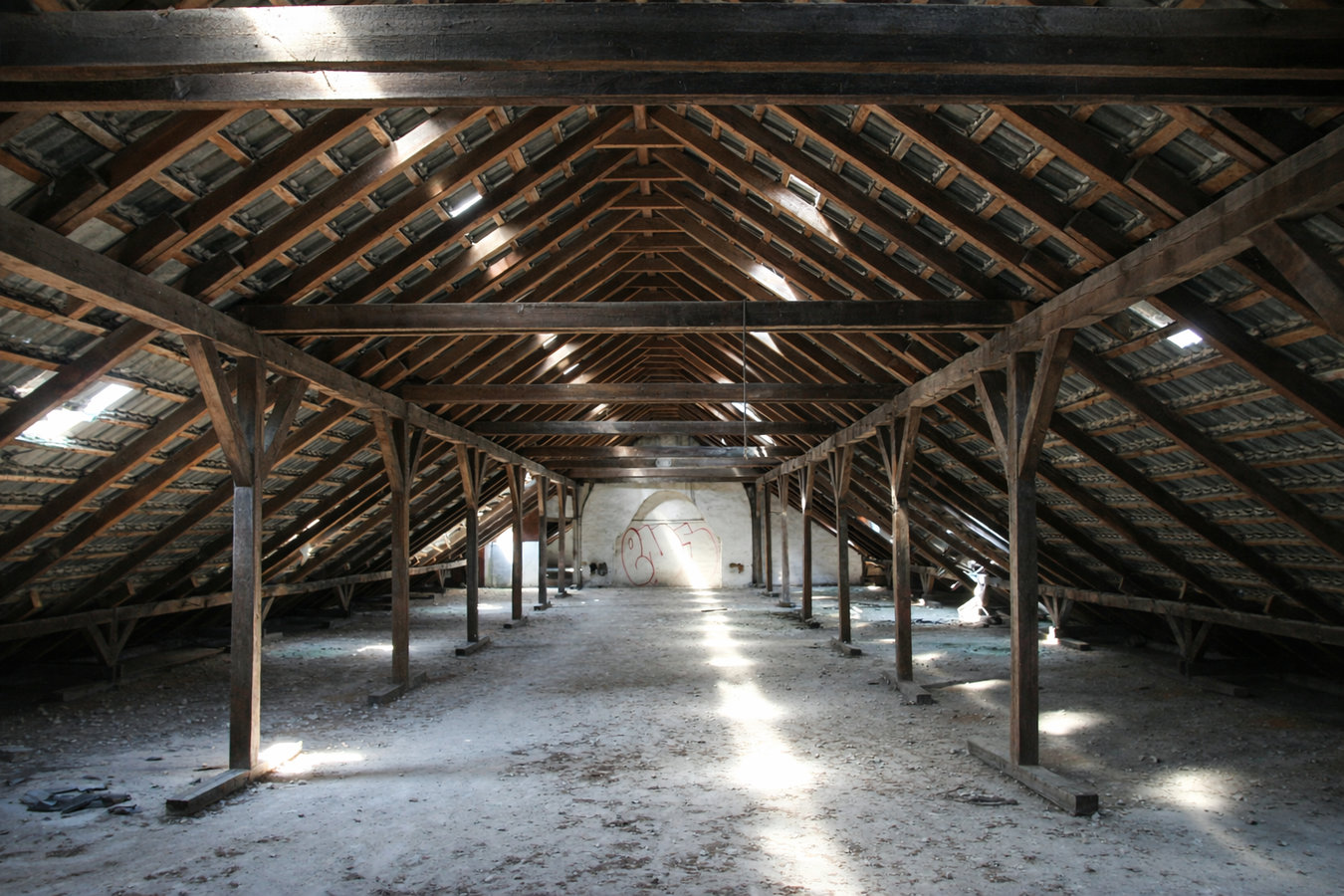
If you can shine a flashlight into your attic and see the tops of the wooden beams running across the floor, you almost certainly do not have enough insulation. Those beams should be buried. If you can see them, the insulation level is well below what Rochester's climate demands.
Rochester Insulation starts every attic job by inspecting what is already there. We measure the existing insulation depth, identify thin spots and missing sections, and check for air leaks around recessed lights, plumbing penetrations, and the attic hatch. Sealing those air leaks before adding insulation is one of the most important steps, and it is one that shortcuts cut.
For most existing Rochester homes, we install blown-in insulation because it fills around joists, pipes, and odd corners without leaving gaps. We target the R-49 to R-60 range recommended by the Department of Energy for this climate zone. If your attic has additional challenges, we discuss them during the free estimate visit before any work begins.
Every project we quote is written out in detail: area covered, material type, R-value target, and total cost. If your project qualifies for an Xcel Energy rebate or a federal tax credit, we walk you through the paperwork so you do not leave money unclaimed.
Closes gaps around lights, plumbing, and the hatch before insulation is added - the step that makes the biggest difference in real-world performance.
The preferred method for existing homes - loose-fill material fills every corner evenly and is installed in a single day for most homes.
For homes with existing insulation that has settled or was installed below the recommended level - adds material to reach R-49 or R-60 without removing what is already there.
For attics where the existing material is damaged, pest-affected, or so low it makes more sense to start fresh than build on top.
Rochester is in Climate Zone 6, which means the federal government recommends R-49 to R-60 in attics here - significantly more than homes in warmer climates need. Average January lows hover around 5°F, and the city regularly sees stretches of subzero temperatures. An attic that falls short of that range is actively costing money every day from November through March.
Many Rochester neighborhoods, particularly those near downtown, along the older southeast side near the former IBM campus, and in the established residential streets around Pill Hill, have homes built from the 1940s through the 1970s. These homes were often built with far less attic insulation than today's standards require. If your home is more than 40 years old and the insulation has never been updated, there is a strong chance it falls well short of what this climate demands.
Rochester Insulation serves homeowners throughout southeast Minnesota and into Wisconsin, including communities like Faribault, Owatonna, and Winona. Call to confirm we serve your address.
We respond within 1 business day and ask a few basic questions about your home's age and any comfort issues you have noticed. This helps us come prepared with the right equipment. The estimate visit is free with no obligation.
We go into your attic with a flashlight and a measuring tool. We check the current insulation depth, identify thin spots, and look for air leaks around lights, plumbing, and the hatch. After the inspection, we walk you through what we found and give you a written estimate before leaving.
Most jobs are done in a single day. We seal air leaks first, then install the insulation by blowing it in through a hose from a machine in the truck. Your living areas stay undisturbed. There will be some equipment noise, but you can be home during the work.
Once the insulation is in place, we show you the finished attic and confirm the depth meets the recommended level for Rochester's climate. If your project qualifies for an Xcel Energy rebate, we provide the documentation you need to submit your claim.
We respond within 1 business day. The estimate visit is free and takes about 30 to 45 minutes. We will measure your attic, identify the problem areas, and give you a written price before we leave.
(507) 738-1270Xcel Energy serves Rochester and offers rebates for qualifying attic insulation upgrades. We know the program requirements and provide the documentation you need after the work is complete so you can claim your rebate without digging through paperwork on your own.
Rochester Insulation runs experienced local crews and leaves you with written documentation of what was installed and to what R-value. We coordinate any required permits and inspections so the work is on record before we arrive and after we finish.
We are a local company. We know the housing stock in Rochester's older neighborhoods - the IBM-era southeast side, the streets near Pill Hill, and the newer southwest subdivisions. We see the same insulation problems in the same types of homes regularly, which means we do not waste time diagnosing what is already obvious.
Every project starts with a free in-home assessment and a written estimate that breaks down the cost by area, material type, and scope. The price we quote is the price you pay. We do not add charges mid-project without your explicit approval.
Rochester homeowners who upgrade their attic insulation may also qualify for a federal tax credit under the Residential Clean Energy program. ENERGY STAR's federal tax credit guidance explains the current credit amounts and eligibility requirements. We work with you to make sure you have the documentation to apply.
The loose-fill method used in most Rochester attic jobs - fills around joists and irregular spaces with consistent coverage and no gaps.
Learn moreThe step that comes before insulation and makes the biggest single difference - closes the gaps around lights, plumbing, and the hatch where conditioned air escapes.
Learn moreDemand picks up every fall as Rochester homeowners prepare for winter. The sooner you call, the sooner we can get on your calendar before the cold sets in.