Loading...
Serving Rochester, MN and surrounding areas. (507) 738-1270
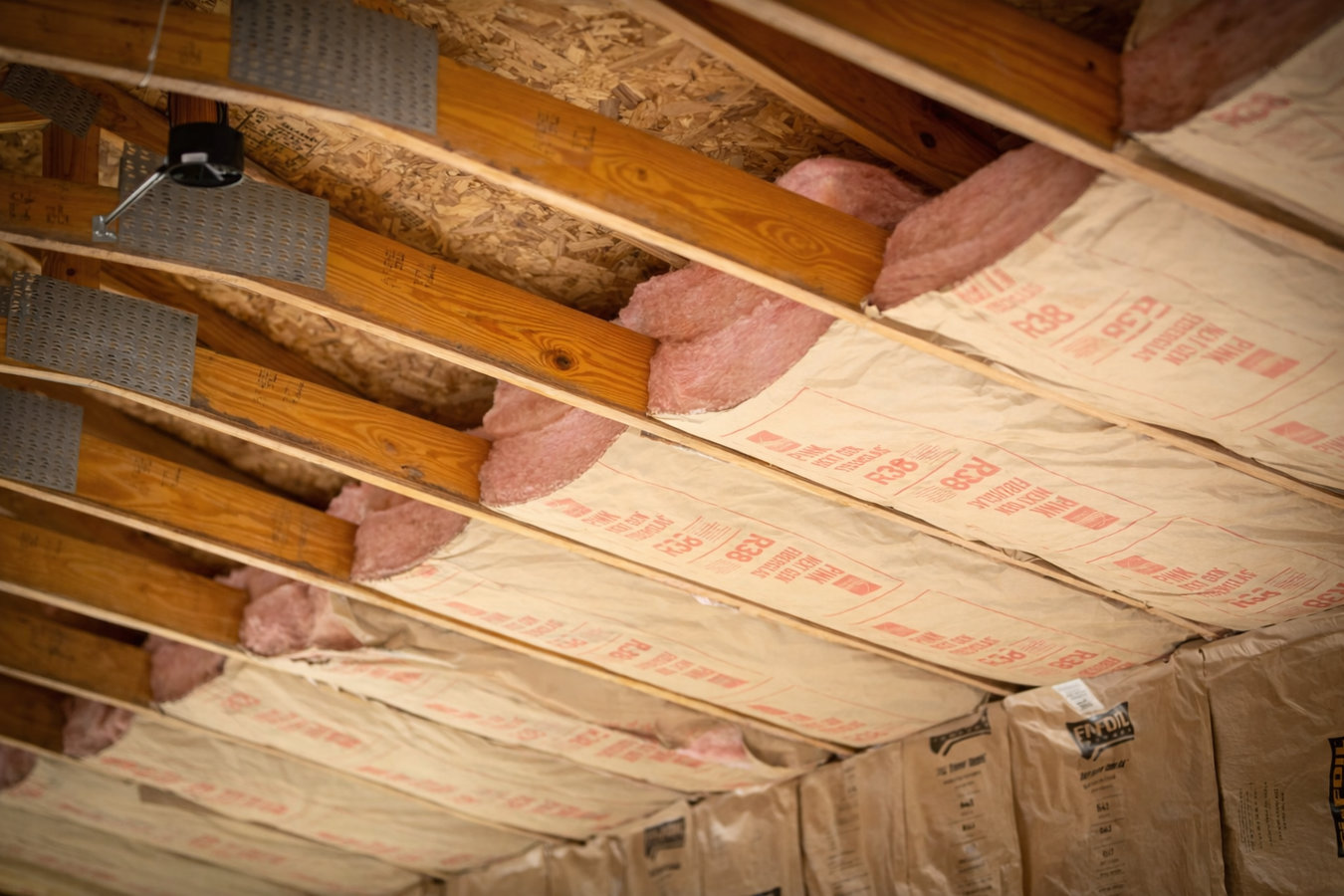
Cold rooms, climbing heating bills, and ice dams are signs your home is not holding heat. We assess every part of your home and fix what is actually costing you money.
Home insulation in Rochester slows heat from escaping your attic, walls, crawl space, and basement rim joists - most whole-home projects take one to two days and pay back in lower heating bills every winter after.
Rochester sits in one of the colder climate zones in the country. Homes built before the 1990s - including the ranch and split-level houses common in the IBM-era southeast side and older neighborhoods near downtown - were built to standards that are far below what is recommended now. The result is that many homeowners are paying to heat the outdoors from November through March without realizing the insulation is the reason. A whole-home approach covers the attic first, then the rim joists and crawl space, then interior walls where sound or comfort is an issue. If your home also needs old material removed before new insulation goes in, our insulation removal service handles that as part of the same project.
For older homes ready for a full upgrade, combining new insulation with retrofit insulation work lets us address every part of the thermal envelope in a single scheduled visit.
If your gas or electric bill climbs sharply from October through March and stays high no matter how carefully you manage the thermostat, heat is escaping faster than your system can replace it. Rochester's winters are long enough that even a modest insulation gap translates into hundreds of dollars in wasted energy over a season.
Cold floors - especially on the first floor above a crawl space or basement - are a clear sign that the underside of your home is not insulated properly. In Rochester's climate, where temperatures regularly drop below zero, an uninsulated crawl space or exposed foundation rim joist lets cold air press up through the floor all winter.
If one bedroom is always freezing in winter while the rest of the house feels fine, that room likely has a gap in its insulation or a significant air leak nearby. This is especially common in older Rochester homes where additions were built at different times, or in rooms above garages where insulation was never installed correctly.
If you feel a cold draft near your attic access door in winter, or notice frost forming on the attic side of the hatch, the attic above is not properly sealed. In Rochester's climate, this kind of leak can also cause ice dams - a costly problem that starts with heat escaping through the ceiling.
Rochester Insulation covers the whole house - not just the attic. We start with an in-home assessment that identifies every area where heat is escaping, then recommend the right material for each location. The attic gets priority because that is where most homes lose the most energy, and insulation removal is available when old material needs to come out before new insulation goes in.
Basement rim joists and crawl spaces are the second area we address. These are high-priority targets in Rochester's climate because they allow cold air to push up through your floors from below. Spray foam works especially well here because it seals air leaks and insulates in the same application. For homeowners doing a full upgrade, our retrofit insulation service handles the complete thermal envelope - attic, rim joists, walls, and crawl space - in a coordinated project with a single crew.
Air sealing is paired with insulation work wherever gaps are found. No amount of new insulation fixes a drafty gap, and skipping the air sealing step is one of the most common reasons homeowners do not see the energy savings they expected after a job.
The highest-impact starting point for most Rochester homes - blown-in or batt at the correct depth for Climate Zone 6.
Spray foam or rigid board on the band of wood around your foundation top - stops cold floors and frozen-pipe risk.
For homes with unconditioned crawl spaces that allow cold air and moisture to press up through first-floor floors.
A full thermal envelope project combining attic, walls, rim joists, and crawl space in one coordinated job.
Rochester is in Climate Zone 6 - one of the colder classifications in the country - where the Department of Energy recommends insulation levels significantly higher than most older homes actually have. Average January lows sit around -4 degrees Fahrenheit, with wind chills regularly pushing well below -20. In those conditions, an under-insulated home does not just feel uncomfortable; it costs a measurable amount of money every single day of the heating season.
Much of Rochester's housing stock was built during the city's mid-century growth alongside Mayo Clinic - neighborhoods on the southeast side, near downtown, and along older corridors have many homes from the 1950s through 1970s. These homes were built to the standards of the time, which called for far less insulation than today's requirements. Many have little or no insulation in their rim joists, minimal attic coverage, and no air sealing. Homeowners in Faribault and Owatonna face the same housing stock and climate challenges as Rochester - and we serve both communities regularly.
Rochester homeowners served by Xcel Energy may qualify for rebates on qualifying insulation improvements. The federal Inflation Reduction Act also offers a tax credit worth up to 30% of insulation material costs, up to $1,200 per year. We can help you understand what applies to your project before work begins. We also serve homeowners in Mankato who are eligible for similar utility programs.
We will ask about your home's age, the areas you are concerned about, and whether you have noticed specific problems like high bills or cold floors. We respond within 1 business day and schedule a free in-home estimate at no obligation.
We look at the attic, basement or crawl space, and any problem rooms you have mentioned. We measure existing insulation levels and check for air leaks. You get a written, itemized quote - not a phone estimate - before we leave.
The written quote breaks out materials, labor, and any permit costs. Once you accept, we schedule the crew. Most projects run one day or less. You do not need to leave your home during the work.
The crew sets up, completes the work, and cleans up before leaving. A final walkthrough shows you exactly what was done. If the project requires a permit inspection, we coordinate that with the city.
We respond within 1 business day and there is no obligation to proceed. After you submit, someone from our office contacts you to schedule a free on-site visit where we measure your home and give you a written, itemized quote you can compare at your own pace.
(507) 738-1270Our crews have handled whole-home insulation across Rochester for years and know what the local housing stock needs. You get a written scope before we start and documentation of the finished work when we are done.
Attic conditions vary too much to quote over the phone. Every estimate includes an in-person assessment, a written breakdown of materials and labor, and permit costs if applicable. You get a clear number you can compare to other contractors before deciding.
Rochester sits in one of the country's colder climate zones, which means the insulation levels we recommend are higher than what most national guides suggest. We spec every job for what Rochester winters actually deliver, not a national average.
Xcel Energy's insulation rebates and the federal tax credit for qualifying materials can meaningfully reduce your out-of-pocket cost. We help you identify what applies to your project and can help with the paperwork - no charge for that guidance.
An experienced local crew, written quotes before work begins, and guidance on every available rebate - those three things together make the process straightforward and give you a project you can document and verify. Call or submit a request and we will schedule an in-home visit within a few days.
Information on federal tax credits for insulation is available at ENERGY STAR. Rebate details for Rochester homeowners are at Xcel Energy.
Safe extraction of old, settled, or moisture-damaged insulation before new material is installed.
Learn moreA full thermal envelope upgrade for existing homes - attic, walls, rim joists, and crawl space addressed in one project.
Learn moreFall and early winter slots fill fast - call now and lock in your date before the cold arrives and the wait list grows.