
Loading...
Serving Rochester, MN and surrounding areas. (507) 738-1270
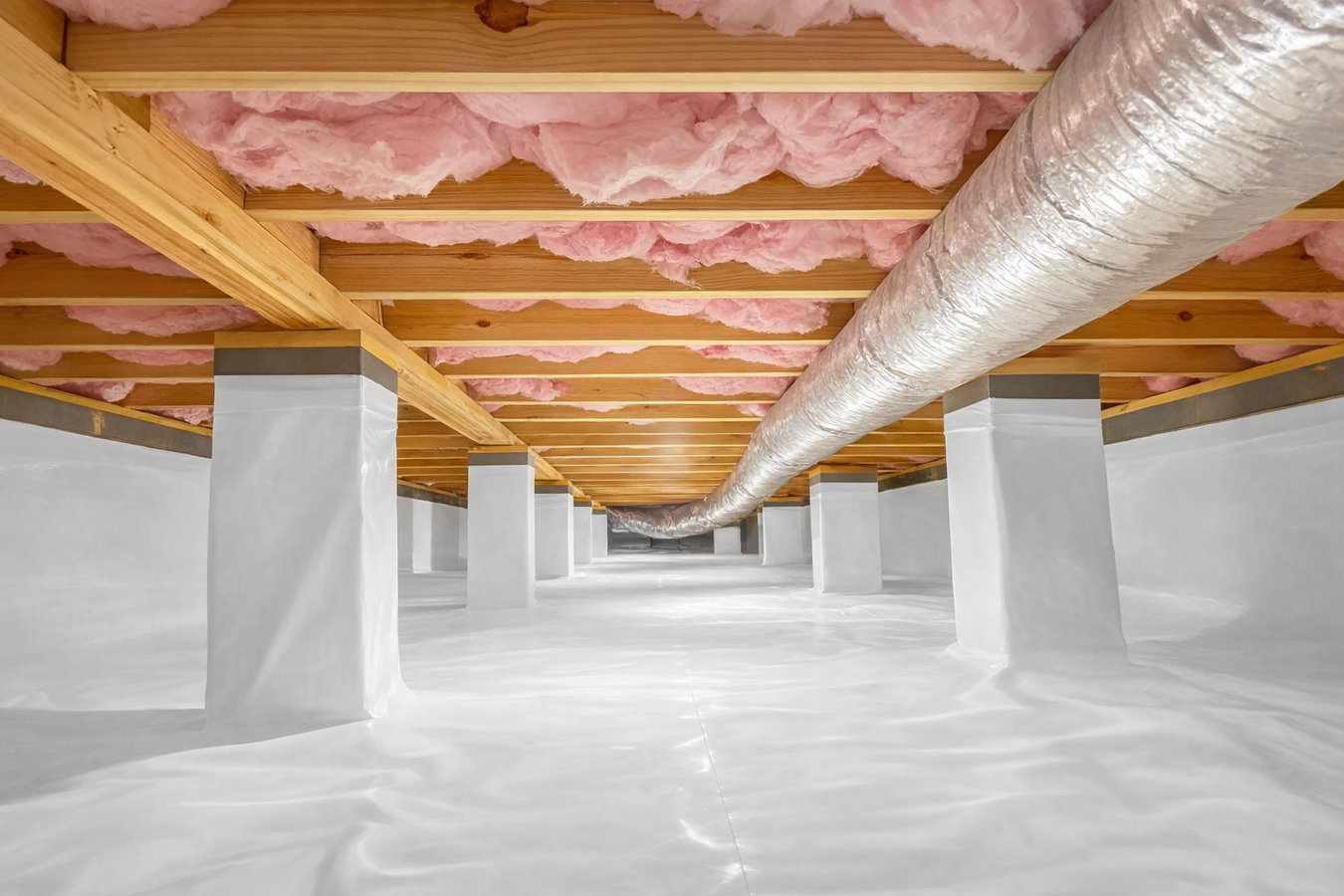
Cold floors, musty smells, and rising heating bills in a Rochester winter often trace back to a crawl space that is uninsulated or failing. We fix the source - not the symptoms.
Crawl space insulation in Rochester acts as a thermal blanket between the cold ground and your living areas above - most jobs take one full day, and the difference in floor temperature is noticeable within the first heating cycle. Without it, cold air and ground moisture seep upward through your floors, making rooms drafty and forcing your furnace to run longer than it should. Rochester's freeze-thaw winters make a working crawl space thermal barrier more important than in milder climates, and damage accumulates faster when moisture has nowhere to go. Many homeowners start here before moving on to a broader wall insulation upgrade.
Rochester's housing stock skews older in many established neighborhoods - Kutzky Park, Pill Hill, and the IBM-era southeast side have a large number of homes built before 1980. Crawl space insulation in those homes, if it was installed at all, has had decades to compress, absorb moisture, and deteriorate. What looks intact from the access hatch is often failing against the joists above. After removal and reinstallation, pairing crawl space work with a crawl space vapor barrier keeps ground moisture from undoing the new installation within a few seasons.
The soil under Rochester homes releases moisture constantly, even in dry weather. A vapor barrier over the crawl space ground stops that moisture from rising into insulation and wood framing before it has a chance to cause damage.
If you walk across your kitchen or living room in January and the floor feels cold through your socks, the crawl space is letting cold air in. This is one of the most common complaints Rochester homeowners have in the depths of winter and almost always points to missing, damaged, or compressed insulation below. A properly insulated crawl space should make your floors feel close to room temperature even on the coldest days.
An earthy or musty odor drifting up through floor registers is a sign that moisture is building up in the crawl space. In Rochester, this often happens after the spring snowmelt, when water saturates the ground around the foundation and seeps in. Mold and mildew grow quickly in a damp crawl space, and the smell is usually the first thing homeowners notice before any visible damage appears.
If your gas or electric bills have been climbing but your habits have not changed, a failing crawl space is one of the first places to look. Sagged, wet, or pest-disturbed insulation loses most of its ability to hold heat in - and your furnace runs longer to compensate. Rochester winters are long enough that even a modest efficiency loss adds up to real money by March.
You do not need to crawl in yourself - open the access hatch and shine a flashlight. If batts are hanging down, sections have gaps, or light is coming through the foundation wall, the insulation is no longer doing its job. This kind of visible deterioration is especially common in Rochester homes built before 1980, where original material has had decades to shift and settle.
We install crawl space insulation using two primary methods depending on your home's construction and budget. The floor approach - insulating the underside of your first floor between the joists - uses batt-style material and works well in spaces that stay dry. The wall approach - insulating the crawl space walls and sealing the space from outside air - performs better in Rochester's cold climate because it keeps pipes and ductwork inside the warm envelope of your home. We assess which method suits your specific crawl space before recommending either.
Spray foam on the crawl space walls delivers the best air seal alongside the insulation, making it the highest-performing option for homes where moisture and cold are persistent problems. For homes where old insulation needs to come out first, we handle removal as part of the same project. We also pair crawl space work with a crawl space vapor barrier - a heavy plastic sheet over the ground that stops ground moisture from rising into the new insulation and the wood structure above.
Many crawl space projects also benefit from wall insulation work above, especially in older Rochester homes where the two problem areas are connected. We can scope both together so you are not scheduling two separate projects or paying two mobilization fees.
The lower-cost option; best suited for dry crawl spaces in homes where pipes and ductwork do not run through the space.
The cold-climate standard: seals the space from outside air and keeps pipes and ducts inside the home's warm envelope.
A ground-covering plastic sheet installed alongside new insulation to stop soil moisture from rising into the structure above.
For older Rochester homes where existing insulation is too degraded to leave in place - full removal followed by a fresh, correctly installed system.
Rochester averages around 45 inches of snow per year, and when that snow melts rapidly in March and April, the ground around foundations becomes saturated. That moisture finds its way into crawl spaces, soaking old insulation and promoting mold growth before most homeowners realize anything is wrong. Scheduling crawl space work in late spring - after the thaw but before summer humidity peaks - gives the space time to dry and gives new material the best chance of staying dry. Homeowners throughout Rochester and nearby La Crosse face the same seasonal moisture pattern every spring.
The city's extreme winters - temperatures regularly below zero, frost that can reach 42 to 60 inches deep - require more insulation than most of the country. Contractors in Rochester are accustomed to recommending thicker insulation layers than their counterparts in milder states, and the recommendation reflects genuine climate need, not upselling. Older homes in established neighborhoods like Kutzky Park and the IBM-era southeast side also tend to have crawl spaces where insulation was never adequate to begin with - or was installed without a vapor barrier, leaving moisture to do decades of damage.
Rochester's housing market is also shaped by Mayo Clinic, which draws medical professionals who tend to own homes for five to ten years before relocating. Crawl space insulation is one of the items home inspectors flag during sales, and getting it done proactively avoids the last-minute negotiation hit that comes from a buyer's inspection report. We also serve homeowners from Winona facing the same concerns. The U.S. Department of Energy's guidance on crawl space insulation aligns with what we see every day in this climate: the wall approach outperforms the floor approach in cold-climate homes.
We reply within one business day. You will be asked a few questions about your home's age, whether you have noticed cold floors or moisture, and how the crawl space is accessed. This lets us arrive prepared with the right equipment and materials for your specific situation.
A technician visits and inspects the crawl space in person - typically 30 to 60 minutes. They check existing insulation depth and condition, look for moisture or mold, and measure the space. You receive a written estimate before any work is scheduled. If a permit is required, the contractor coordinates the application with the City of Rochester's Building Safety Department.
The crew removes any damaged insulation, installs new material, and - if included in your scope - lays down a vapor barrier over the ground. Most jobs finish in a single day. Spray foam encapsulation projects or larger spaces may run two days. The crew cleans up the work area before leaving.
Before we leave, we walk you through what was done and show photos taken inside the crawl space during and after the job. You should notice warmer floors and reduced drafts within the first heating cycle after the work is complete. If a permit inspection is required, we coordinate that follow-up as well.
We reply within one business day, and there is no obligation after the in-home assessment. Permits are handled by us when required - you do not need to navigate the city's process yourself.
(507) 738-1270We recommend the wall encapsulation approach for most Rochester crawl spaces because Minnesota's climate genuinely requires it. Floor joist batts are less expensive upfront but underperform in homes where pipes, ducts, and the crawl space floor are all exposed to outside air. We will tell you which method makes sense for your specific home - not the one with the lowest sticker price.
Full crawl space encapsulation typically requires a permit from the City of Rochester. We handle that application for you - you should not have to navigate the building department process on your own. Any contractor who tells you a full encapsulation never needs a permit should be asked to put that in writing.
We work on crawl spaces throughout Rochester and the surrounding region. Local contractors know that homes in Rochester's older neighborhoods have very different crawl space conditions than newer homes on the southwest side - and that the same moisture and cold conditions repeat across the region every year.
Most homeowners never see what their crawl space looks like after insulation work because it is too tight to comfortably inspect. We photograph the completed installation before we close up, so you can see exactly what was done. The EPA's moisture control guidance at epa.gov underpins why a properly sealed and insulated crawl space matters beyond just comfort.
Every crawl space job starts with an honest in-person assessment. We tell you what is there, which approach fits your home and climate, and what it will cost before any work is scheduled. Permits are our responsibility, not yours, and the vapor barrier is part of the discussion from the start - not an add-on at the end.
Addressing the walls above completes the thermal envelope that crawl space work starts below, cutting heat loss from every direction.
Learn moreA vapor barrier installed over the crawl space ground stops soil moisture from rising into the new insulation and wood structure above.
Learn moreSchedule your free in-home assessment today - before another Rochester winter drives up your heating bill or causes moisture damage below your floors.