Loading...
Serving Rochester, MN and surrounding areas. (507) 738-1270
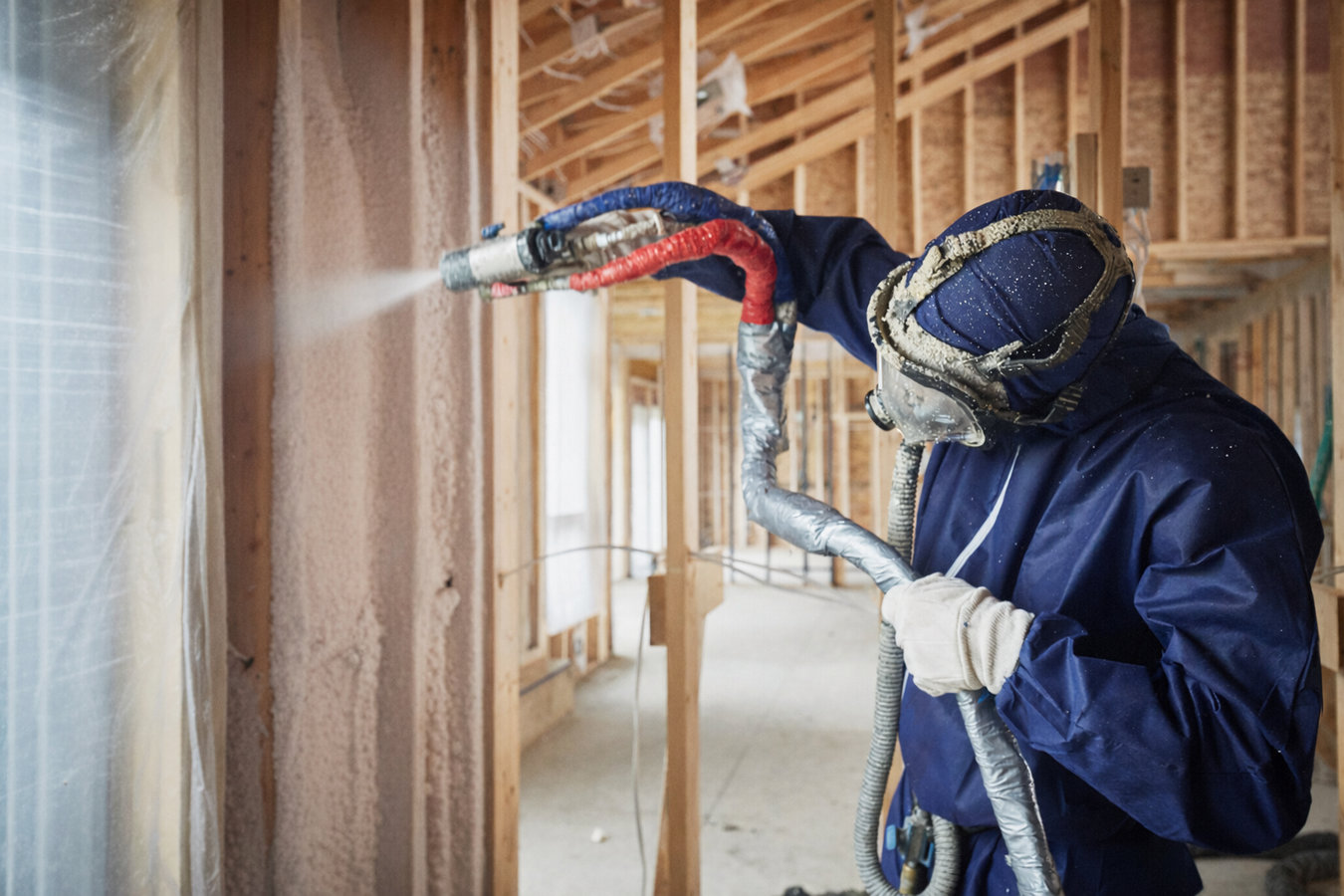
If your Rochester home is cold in spots, fighting ice dams, or running up your heating bill, leaky walls and attics are usually the cause. Open-cell foam seals every gap and keeps conditioned air right where it belongs.
Open-cell foam insulation in Rochester seals every gap, crack, and air pathway in your attic, walls, or basement in a single continuous layer - most jobs are complete in one to two days and the difference in comfort is noticeable within the first cold snap.
Unlike fiberglass batts that slow heat but let air move freely, open-cell foam expands to fill every void it touches. Rochester homes built before 1990 are especially prone to air infiltration because the original insulation has settled, been disturbed by renovations, or simply never met today's energy standards. If you are dealing with high heating bills, rooms that will not warm up, or recurring ice dams, open-cell foam addresses the root cause.
Many Rochester homeowners start with the attic, then address rim joists and walls as budget allows. If your home already has moisture issues or contaminated insulation, pairing this project with attic air sealing first ensures the foam works as intended from day one.
If your gas or electric bill has crept up year over year, or spikes sharply during Rochester's coldest months, your insulation may no longer be doing its job. Fiberglass insulation settles and compresses over decades, losing its ability to slow heat loss. When your furnace runs longer to maintain the same temperature, that is usually the first sign your home's envelope has a problem.
In Rochester's deep winter, a well-insulated home should feel consistently warm from room to room. If one bedroom is always colder than the rest, or you feel a chill sitting near an exterior wall, air is leaking in somewhere. This is especially common in homes built before the 1990s, where wall cavities were often filled with materials that have since shifted or degraded.
Ice dams, those ridges of ice that build up along your roof's edge, are a classic sign that warm air is escaping through your attic floor and melting snow that then refreezes at the eave. Rochester's heavy snowfall and sustained cold make ice dams both common and damaging. They can force water under your shingles and into your home if left unaddressed.
If you bought a Rochester home built before 1990 and have no record of insulation upgrades, the original material has almost certainly settled or been disturbed. Many of these homes, particularly in the southeast neighborhoods built during the IBM era, have attics and walls that are significantly under-insulated. You do not need to see a problem to have one.
Open-cell foam is one of the most versatile insulation materials available. We spray it into attics, wall cavities, basement rim joists, and crawl space framing, creating a continuous air barrier that fiberglass batts and blown-in cellulose simply cannot match. Unlike rigid foam board, open-cell foam bonds directly to wood framing and moves with the structure as it expands and contracts through Rochester's freeze-thaw cycles, rather than separating at seams.
For homeowners comparing foam types, open-cell and spray foam insulation are closely related; open-cell is the softer, more vapor-permeable of the two. We explain the tradeoffs clearly so you choose the right product for your application, whether that is an open attic, a tight rim joist, or an interior wall cavity.
We also pair open-cell foam with dedicated attic air sealing when needed, sealing penetrations around light fixtures, plumbing, and framing before foam is applied. Doing the air sealing first ensures no gaps are buried under insulation where they would continue leaking for years.
Best for homeowners who want full air sealing and insulation in one pass on an accessible attic floor.
Ideal for older Rochester homes where the rim joist is exposed and losing significant heat at the foundation line.
Suited for new construction or renovation projects where wall cavities are open and standard batts would leave gaps.
Designed for older homes with multiple problem areas, combining dedicated sealing of penetrations with full foam coverage.
Rochester sits in Climate Zone 6, one of the coldest residential climate zones in the continental United States. Average January lows hover around -5 degrees Fahrenheit, and the heating season runs roughly seven months of the year. That means your insulation is working hard every day from October through April, and any gap in your building envelope is costing you money around the clock. Open-cell foam's air-sealing quality is especially valuable here because even a small gap lets in a significant amount of cold air when temperatures drop that far below zero.
A large share of Rochester's housing stock dates from the 1950s through the 1980s, particularly in the southeast neighborhoods built for IBM employees. Those homes were constructed before modern insulation requirements existed, and many have had decades of remodeling that introduced new penetrations without sealing the old ones. Rochester also experiences dozens of freeze-thaw cycles each winter, which gradually open new cracks and gaps in older wood framing and masonry. Open-cell foam bonds directly to framing and moves with the structure rather than separating at seams, making it a durable choice for this climate.
We serve homeowners throughout the Rochester area, including in Owatonna, Faribault, and Northfield. The same cold climate conditions that make Rochester homes under-performers are present across the region, and open-cell foam delivers consistent results in every one of these communities.
Call or submit the contact form and we will respond within one business day. We will ask about the areas you want insulated and roughly how old your home is so we can show up prepared.
We walk the areas you want insulated, take measurements, and check for existing moisture or pest issues before any foam goes in. You get a written estimate that covers area and total cost, no obligation.
The crew arrives with all equipment, covers surfaces that should not be sprayed, and applies the foam. Most attic projects are finished the same day. You and your family should plan to be out of the home during the work and for at least a few hours after.
Before we leave, we walk you through what was done, show you the coverage, and answer any questions. The foam is typically fully cured within 24 hours. You should notice a difference in comfort during the next cold snap.
Free estimate. No pressure. We reply within one business day.
(507) 738-1270Minnesota requires specific insulation thicknesses for Climate Zone 6, and our crew knows those requirements cold. You will not need to research code minimums yourself; we spec the job to meet or exceed them.
From Rochester to SPFA-standard installation practices, we bring consistent technique to every job whether it is in Rochester proper or an outlying community.
Open-cell foam is visible and inspectable. We walk you through the completed work so you can see the coverage, confirm all penetrations are addressed, and track results against your energy bills in the months ahead.
Rochester winters do not wait for business hours. We are available 24/7 to answer questions, schedule assessments, and respond to urgent situations. You will not be leaving a voicemail and waiting three days.
Rochester Insulation has been doing this work in southeastern Minnesota long enough to know which homes need what, and we treat every customer like a neighbor. Our straightforward process and honest estimates mean you know exactly what you are getting before any foam is sprayed.
Plug every gap around light fixtures, pipes, and framing in your attic before adding insulation on top.
Learn moreCompare open-cell and closed-cell options side by side to find the right foam type for your specific application.
Learn moreRochester winters arrive fast. Call now or request a free estimate and get your home sealed before the cold sets in.