Loading...
Serving Rochester, MN and surrounding areas. (507) 738-1270
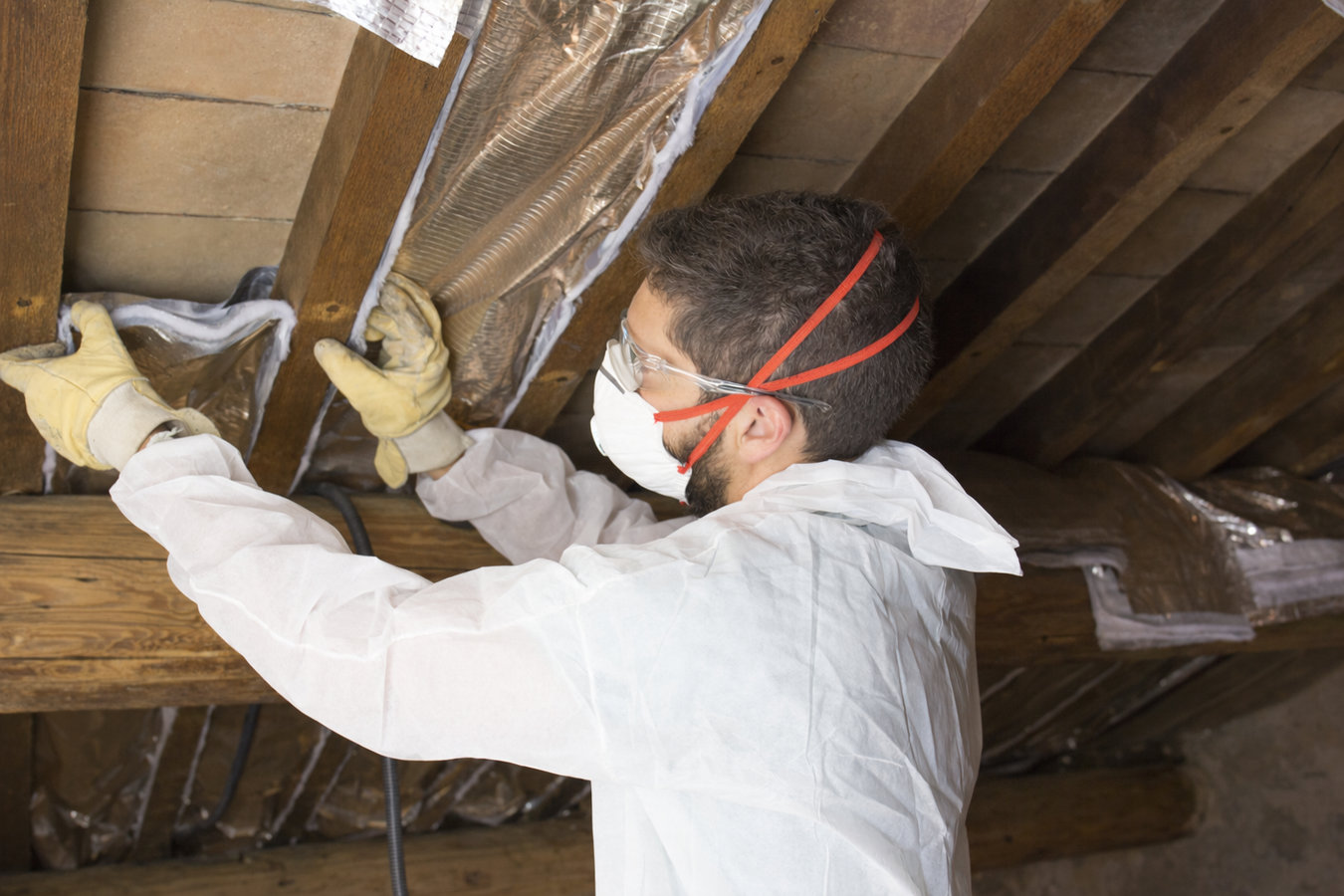
High heating bills and ice dams along your roofline share one cause: warm air escaping through gaps in your attic floor. We find every leak and seal it, so the heat you pay for stays in your home.
Attic air sealing in Rochester means a contractor finds and plugs every gap, crack, and opening where your heated air escapes into the attic above your ceiling - most jobs are completed in one to two days without any need for you to leave your home.
This is different from adding insulation. Insulation slows heat movement; air sealing stops air from moving altogether. In Rochester's long winters, even small gaps above your ceiling let a significant amount of warm air escape into a cold attic, forcing your furnace to run longer and costing you money every month from October through April. The leaks are usually invisible from inside the house: they hide around recessed light cans, where plumbing and wiring pass through the attic floor, and at the top of interior walls.
Attic air sealing is almost always done before insulation is added or upgraded. If you are planning to add blown-in insulation or open-cell foam, pairing that work with dedicated sealing first makes both investments far more effective. We also offer full air sealing services for homeowners who need whole-house envelope work beyond just the attic.
If your gas or electric bill climbs sharply from October through March and you have not changed how you heat your home, air leaks in the attic are one of the most common culprits. Rochester's winters are long and cold, and every hour your furnace runs to replace heat escaping through the attic costs you money. This is especially common in homes built before the 1980s, where attic air sealing was rarely done.
Ice dams, ridges of ice that build up at the edge of your roof, form when warm air from your living space escapes into the attic and melts snow from underneath. Rochester gets enough snow and cold that ice dams are a real, recurring problem for homeowners. They can force water back under your shingles and into your home, so they are worth treating as a warning sign rather than just a nuisance.
If rooms on the top floor or with cathedral ceilings feel colder than the rest of the house in winter, air is likely moving through gaps above them. The ceiling may feel cold to the touch in those rooms even with the heat running. This is a sign that conditioned air is escaping and outside air is finding its way in through the same gaps.
The attic hatch or pull-down stairs are among the most overlooked air leak points in any home. If you feel cold air coming down around the edges of the hatch in winter, or if the hatch cover feels cold to the touch, that opening is likely unsealed and uninsulated. This is something you can check yourself without going into the attic at all.
Effective attic air sealing is not just spraying foam in a few obvious places. Our crew works systematically through every penetration in your attic floor: recessed light cans, plumbing stacks, wiring runs, interior wall top plates, and the attic hatch itself. These are the spots where most of the air movement happens, and they are the spots most likely to be overlooked on a rushed job. We use foam, caulk, or rigid barriers depending on the size and location of each opening.
We also offer attic air sealing as part of a broader whole-house air sealing project for homes with envelope problems in multiple locations. If your home has had recent remodeling, such as added recessed lighting, new plumbing runs, or a finished basement ceiling, those changes often created new gaps that were never sealed.
After air sealing is complete, we can add or upgrade insulation on top of the sealed surfaces. The correct sequence is always sealing first. Adding insulation over unsealed gaps leaves air still moving through those gaps; the insulation just slows it slightly. Sealing first, then insulating, is what actually stops air movement and makes both investments work as well as they should. Ask about pairing attic air sealing with a crawl space vapor barrier if your home has moisture concerns below grade as well.
Best for homes with visible air movement around light fixtures, pipes, or framing that has never been addressed.
Targeted fix for one of the most common and most overlooked air leak points in any Rochester home.
Designed for homes that have been updated in the last 10 to 20 years where remodeling introduced new penetrations.
For homeowners who want to do both in one visit: sealing first, then adding insulation on top for maximum performance.
Rochester regularly sees temperatures drop below zero from December through February, with average January lows around -5 degrees Fahrenheit. That kind of cold creates enormous pressure on your home's envelope: warm air inside your house is constantly trying to escape upward through every gap in your attic floor. Even small leaks that would not matter in a milder climate can drive your heating bills up significantly here, and they create exactly the conditions that produce ice dams along your roofline every winter.
Many Rochester neighborhoods, particularly those near downtown, along the historic grid streets, and in established areas near the older IBM-era southeast side, feature homes built in the 1940s through 1970s. These homes were constructed before today's air-sealing practices existed. Many have also had decades of remodeling that added new penetrations without closing the old ones. Xcel Energy, which serves most Rochester homes, has offered rebates for qualified air sealing work, so ask your contractor about current programs before any work begins. You can also check available incentives through the Database of State Incentives for Renewables and Efficiency.
We serve Rochester and the surrounding region, including Winona, Mankato, and Red Wing. The same climate conditions that make attic air leaks so costly in Rochester affect homes across southeastern Minnesota and western Wisconsin, and we bring the same thorough process to every community we serve.
Reach out by phone or through the contact form and we will respond within one business day. We will ask about the age of your home, whether you have noticed ice dams or high bills, and whether you have done recent remodeling, so we can show up prepared.
We visit your home and inspect the attic in person, checking the size of the space, how much existing insulation is present, and where the likely leak points are. You receive a written estimate explaining what will be sealed, how the work will be done, and what it will cost.
On the work day, the crew sets up in your attic and works through every gap and penetration they identified. The work is not loud, and you can stay home. Clear a path to the attic hatch before they arrive and that is the only preparation required of you.
When finished, the crew restores any insulation that was moved and walks you through every gap they found and sealed. If your project qualifies for a Xcel Energy or state rebate, we provide the documentation you need before the crew leaves.
Free in-home assessment. Written estimate. No obligation. We reply within one business day.
(507) 738-1270We work through every penetration in your attic floor, not just the visible ones. The gaps that cause the most heat loss are often the ones hidden around electrical boxes, interior wall top plates, and old framing joints that shift over decades of freeze-thaw cycles.
Rochester has a lot of homes from the 1940s through the 1970s, each with its own mix of original construction and decades of remodeling. We have worked in enough of them to know what to look for and where the leaks typically hide in homes of different eras.
We work across southeastern Minnesota and western Wisconsin, so we understand the climate conditions and housing styles throughout this region, not just in Rochester proper. Whether you are in the city or an outlying community, the process and the quality are the same.
After every job, we walk you through what was found and sealed so you are not guessing whether the work was done. You will have a clear record of the project, which matters for rebate paperwork and for any future contractor who works on the home.
Rochester Insulation has been working on homes in this region long enough to know what Rochester winters actually demand of a building envelope. We are honest about what your home needs and straightforward about what the work will cost before any job begins.
Address moisture problems below grade while your attic is sealed above, giving your home full envelope protection.
Learn moreExtend the same systematic sealing approach to rim joists, basement walls, and other envelope weak points throughout the home.
Learn moreCall now or request a free estimate. We will assess your attic in person and give you a written quote with no obligation.