Loading...
Serving Rochester, MN and surrounding areas. (507) 738-1270
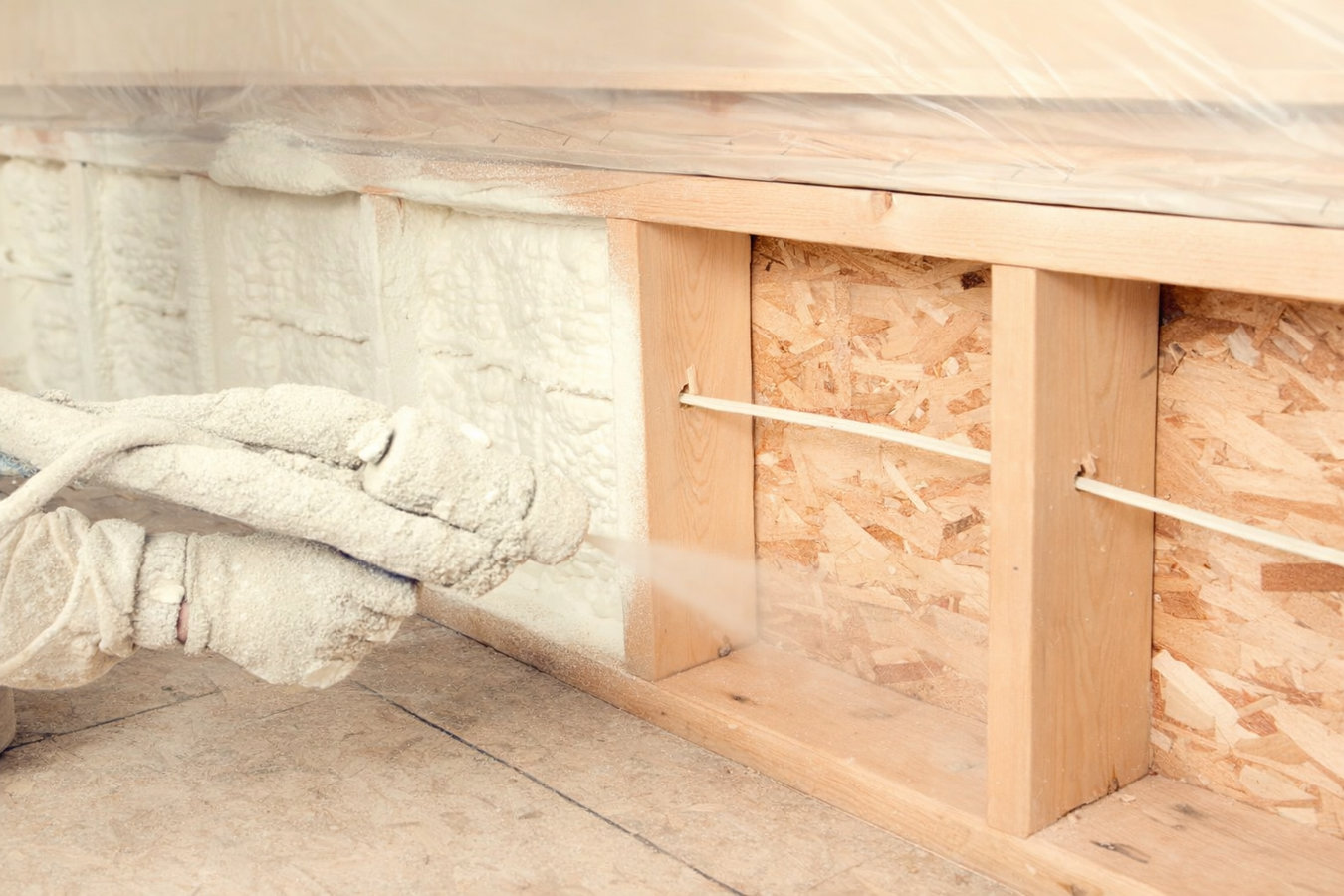
Rochester winters demand the best insulation available. Closed-cell foam delivers the highest R-value per inch and blocks moisture - making it the right choice for crawl spaces, rim joists, and basement walls in Minnesota.
Closed-cell foam insulation in Rochester expands on application and hardens into a dense, rigid barrier that resists both heat loss and moisture at the same time - most residential jobs in crawl spaces, rim joists, and basement walls are completed in a single day.
Rochester sits in IECC Climate Zone 6, and the combination of extreme cold and seasonal moisture makes the choice of insulation material more important here than in a milder region. Closed-cell foam delivers R-6 to R-7 per inch of thickness, which means it can reach the performance levels required in Minnesota even in tight spaces where fiberglass batts or loose-fill simply cannot get thick enough. Many Rochester homeowners who insulate a crawl space or basement with closed-cell foam also address their open-cell foam insulation needs in attic cavities at the same time, since the two materials have complementary applications.
Before any foam is applied, we check for moisture. Rochester's freeze-thaw cycles push water through foundation concrete every spring, and spraying foam over a damp surface traps moisture and creates mold problems. That assessment step is non-negotiable. Call (507) 738-1270 or use the contact form to schedule your free in-home estimate.
These four signals are common in Rochester homes that are under-insulated or losing heat through moisture-prone areas.
Rochester's winters are long and cold, and if your gas or electric bills jump dramatically during the coldest months, inadequate insulation is one of the most common causes. If your furnace runs almost constantly during cold snaps, or certain rooms never get warm, this is worth investigating before another winter arrives.
An under-insulated basement or crawl space becomes noticeably cold in a Rochester winter, and that cold radiates up into the living spaces above. If your floors feel cold with the heat on, or you notice a chill near the base of interior walls, the problem often starts below the floor. Closed-cell foam applied to crawl space walls or rim joists can make a dramatic difference.
Rochester's freeze-thaw cycles push moisture into crawl spaces and basement walls. If you see water stains, condensation on walls, or smell something musty, moisture is getting in. Closed-cell foam's moisture-blocking properties can significantly reduce the amount of vapor moving through walls and floors, protecting the structure of your home.
Ice dams - the ridges of ice that build up along the edge of a roof after a snowfall - are a classic sign that heat is escaping through your attic. Rochester homeowners deal with this regularly, and it causes real damage when water backs up under shingles. Improving attic insulation is one of the most effective ways to prevent them.
Closed-cell foam is the right material choice when you need high thermal performance in a limited space and when moisture resistance matters as much as heat retention. The rim joist - the wood framing that sits on top of the concrete foundation - is one of the most overlooked air leakage points in any Rochester home, and it is one of the easiest and most cost-effective places to apply closed-cell foam. Most rim joist projects can be done in a few hours and make a noticeable difference in first-floor temperatures and basement comfort.
For crawl space walls and basement foundation walls, closed-cell foam outperforms other materials because it does not absorb moisture and does not degrade when exposed to Rochester's wet springs. Many homeowners who have tried fiberglass batts in a crawl space find them sagging and moldy within a few years. We pair closed-cell foam projects in crawl spaces and basements with a conversation about spray foam insulation more broadly, since the two topics overlap and homeowners often have questions about which type fits where.
For attic applications, closed-cell foam is not always the first recommendation - it depends on the attic design and whether air sealing is the priority or just thermal resistance. In many cases, a combination approach using closed-cell foam at the air sealing points and another insulation type for the bulk layer is the most cost-effective path. The in-home assessment will tell you which approach fits your home. Whatever the recommendation, we document everything so you have it on hand for rebate applications and future sale disclosures.
The strongest fit for Rochester homes where moisture control and thermal performance are both priorities below the living floor.
Ideal for any home - the rim joist is one of the biggest air leakage points and responds especially well to closed-cell foam's combined insulation and sealing properties.
Best for basement walls in direct contact with concrete, where moisture resistance makes closed-cell foam the right material choice over fiberglass.
Suited to homes with persistent ice dam problems or tight attic cavities where high R-value per inch is the priority.
Rochester averages around 45 inches of snow per year and regularly sees temperatures well below zero in January and February. According to the University of Minnesota Extension, ice dams are a common problem in Minnesota homes precisely because heat escapes through under-insulated or air-leaky attics. Closed-cell foam addresses both pathways - it insulates and seals air in a single application - which is why it is the most effective tool available for homeowners who have dealt with ice dam damage.
Rochester's housing stock includes a large number of homes built before 1980, particularly in the southeast neighborhoods built for IBM employees and the older corridors near downtown. Those homes were insulated to standards far below what Minnesota's current energy code requires, and many have crawl spaces and rim joists that have never been touched. Homeowners in Owatonna and Red Wing face the same housing vintage and the same performance gaps.
The City of Rochester requires permits for insulation work that affects the building envelope, which means your work gets inspected by the city before it is considered complete. That inspection is a benefit for you, not a burden - it is independent confirmation that the foam was applied correctly. Homeowners in Winona face the same building requirements.
Here is what the process looks like from first contact through completion.
Reach out by phone or the online form and we reply within one business day. We will ask where you want insulation and whether you have noticed specific problems - moisture, drafts, high bills - so we come prepared.
We walk through the areas you want insulated, take measurements, and check for moisture or existing insulation. You receive a written estimate with the area covered, thickness of foam, and total cost before any work begins.
For many Rochester projects, a building permit is required before work starts. We handle the application and coordinate the inspection. Once the permit is in hand, we schedule your installation date and tell you exactly how to prepare.
The crew arrives with the two-component spray system and protective equipment. Most residential jobs take a few hours to a full day. After the 24-hour cure period, we walk you through the finished work and provide documentation of what was installed.
Free in-home assessment. Written estimate before any work starts. Reply within one business day.
(507) 738-1270We pull permits when required and coordinate city inspections, giving you independent confirmation the work meets Rochester's building standards. You also get written documentation of the foam thickness and coverage installed.
Closed-cell foam's high resistance per inch is why we recommend it for rim joists and crawl space walls in Climate Zone 6 - spaces where you cannot get other insulation thick enough to do the job. Most Rochester rim joists can be brought to code performance in a single application.
We check for water stains, efflorescence, and signs of vapor intrusion before any foam is applied. Rochester's freeze-thaw cycles make this critical - spraying foam over a damp surface traps moisture and creates mold problems that are expensive to fix.
Xcel Energy serves much of the Rochester area and offers rebates for qualifying insulation upgrades. We provide the material documentation you need to claim both the utility rebate and the federal tax credit after the project is complete.
Closed-cell foam is a high-stakes installation - done correctly it lasts the lifetime of the building; done poorly it traps moisture and creates long-term damage. We follow Spray Polyurethane Foam Alliance best practices, pull permits when required, and provide written documentation of every project. That is what separates work that protects your home from work that creates problems down the line.
A softer, more flexible foam suited to attic cavities and interior walls where moisture resistance is less critical than in below-grade applications.
Learn moreAn overview of both closed- and open-cell spray foam applications across all areas of the home, for homeowners comparing options.
Learn moreInstallation slots fill quickly heading into fall. Call today or submit the contact form - we will respond within one business day and get you a written estimate.