Loading...
Serving Rochester, MN and surrounding areas. (507) 738-1270
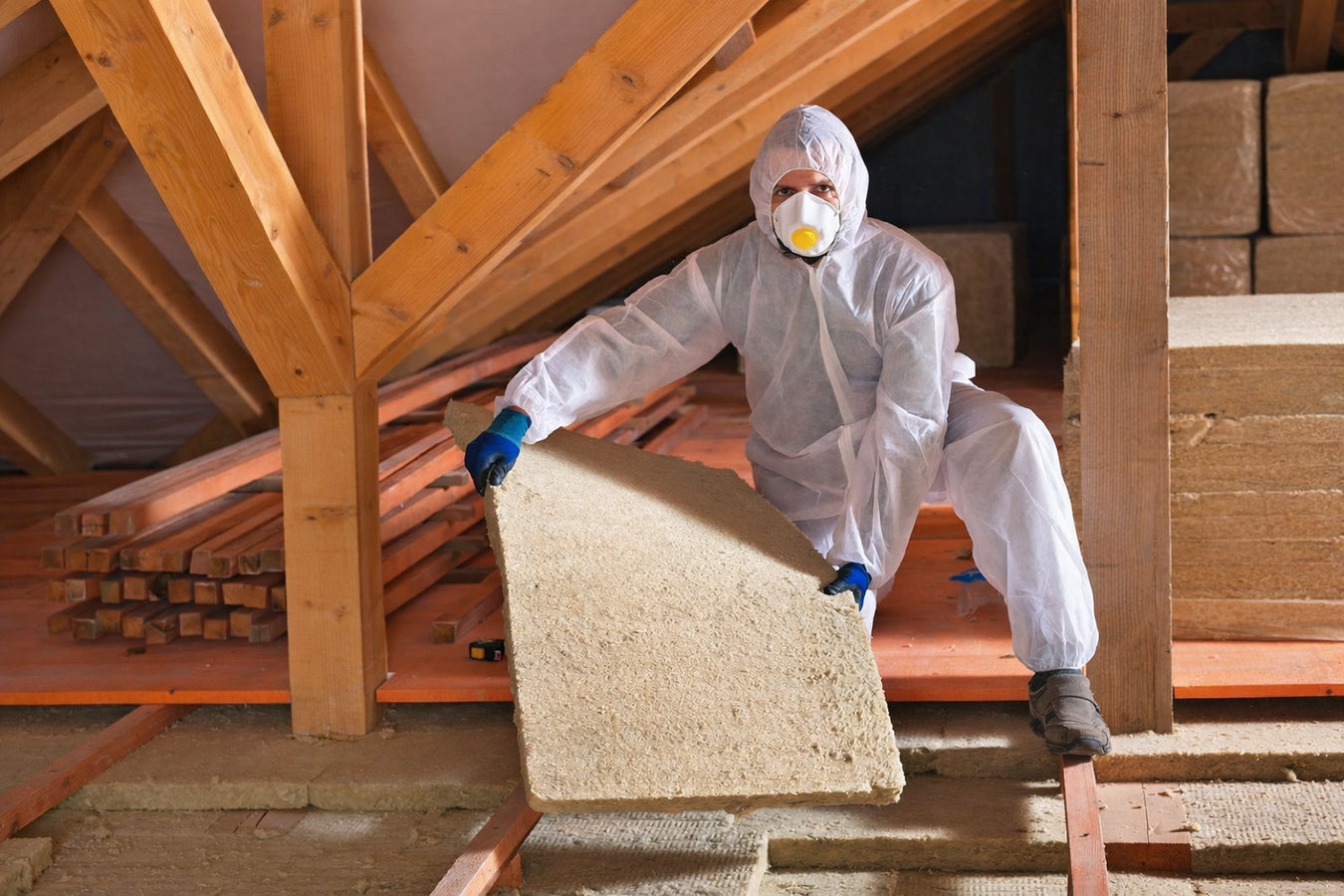
Old, wet, or contaminated insulation cannot simply be covered over. We remove it completely, dispose of it properly, and leave your attic or crawl space ready for a fresh install.
Insulation removal in Rochester means extracting worn, wet, or contaminated material from your attic or crawl space before fresh insulation goes in - most jobs take one full day for a standard attic. Simply covering old insulation with new does not fix moisture, odor, or pest contamination underneath, and in Rochester's cold climate, degraded insulation fails fast. If you are considering a full home insulation upgrade, removal is often the essential first step.
Rochester's housing stock includes a large number of homes built in the 1950s through 1970s - neighborhoods near downtown, the IBM-era southeast side, and the older streets around Mayo Clinic. Insulation in those attics is often original, compressed to a fraction of its rated thickness, and in some cases may contain materials that need careful handling before anyone starts pulling it out. After removal, many homeowners pair the project with retrofit insulation to bring the whole home up to current performance standards.
Rochester winters run hard from October through April. When insulation fails, the cost shows up on your gas bill first - and then in ice dams, drafts, and moisture problems that compound every season you wait.
If your gas or electric bills have risen over the past few winters without any change in your habits, worn-out insulation is one of the first things to check. In Rochester, where furnaces run hard from October through April, even modest insulation degradation shows up quickly on your utility statement. Covering old material with new does not restore the performance that is lost underneath.
Scratching sounds in the ceiling, droppings in the attic, or a persistent ammonia-like smell are signs that pests have been active in your insulation. Rodent-contaminated insulation cannot simply be covered over - it must come out completely, the surface sanitized, and entry points sealed before new material goes in. Rochester's older neighborhoods see this situation regularly.
Rochester's freeze-thaw winters are notorious for ice dams - ridges of ice that force water back under shingles. If you have had a leak or visible attic moisture, the insulation below likely absorbed water and lost most of its insulating value. Wet insulation can also quietly grow mold over time, so the sooner it comes out, the better.
If you are in one of Rochester's older neighborhoods and the attic has never been touched, what is up there may be decades-old material compressed to a fraction of its original thickness. Some products from that era - including vermiculite - may contain substances that need careful handling. A quick in-person assessment tells you what you are working with before any removal begins.
We handle attic and crawl space removal using industrial vacuum equipment and hand tools, bagging and hauling all material to a licensed disposal facility. Whether the insulation is blown-in loose fill or batt-style rolls, we clear the space down to a clean substrate so the next installation can go in correctly. If your project calls for crawl space insulation after removal, we can sequence both scopes in a single visit when scheduling allows.
For homes with suspected hazardous materials, we assess what is present before any work begins and walk you through the findings in plain language. If testing is needed, we coordinate it before the crew arrives - not the morning of the job. Disposal fees are always included in our written quote, so there are no surprises on the final invoice.
Many removal projects also include air sealing and sanitizing as part of the same scope. We can pair removal with retrofit insulation installation so your home is fully insulated and sealed before the next heating season begins. Ask about bundling both scopes when you call.
Best for homeowners with degraded, contaminated, or potentially hazardous material in the attic who need a clean slate before new installation.
Suited to homes where moisture, pests, or decades of compression have left the crawl space insulation beyond salvaging.
Ideal when the removal project is paired with a full air seal before new insulation goes in, maximizing the performance of the fresh install.
Recommended for pre-1985 homes where existing insulation materials have not been tested, particularly where vermiculite or early-era products are present.
Rochester sits in a climate zone where winter temperatures regularly drop below zero and wind chills can push well past -20°F. That kind of sustained cold puts enormous pressure on your home's thermal envelope, and insulation that has degraded - even slightly - fails faster here than it would in a milder climate. Rochester homeowners in neighborhoods like Rochester, MN and nearby Owatonna have seen this firsthand: heating bills that creep up each winter, drafts that get worse, and frost problems that compound.
Many Rochester homes - particularly those built during the IBM expansion years in the southeast part of the city and the older streets around Mayo Clinic - were insulated with materials that are now 50 to 70 years old. Repeated freeze-thaw cycles throughout late fall, winter, and early spring cause warm air to escape into cold attics, condense, freeze against the roof deck, and melt back into the insulation below. Over seasons, this creates the kind of damp, matted material that must come out entirely. Adding new insulation on top simply traps the moisture problem underneath.
Rodent activity is also a persistent issue in Rochester's older neighborhoods, where mature trees, older construction, and proximity to agricultural land on the city's edges give mice and squirrels reliable access routes into attics. We serve homeowners throughout this region, including customers from Faribault who face the same housing stock and climate challenges. Our crews know how these older attics behave and leave written documentation of what was removed and hauled away on every job.
Call or fill out the contact form. We reply within one business day and ask a few basic questions about your home's age, the location of the insulation, and any known moisture or pest issues. This lets us arrive prepared rather than discovering surprises on the day of the job.
A technician visits your home, inspects the attic or crawl space, and checks for moisture, contamination, and access conditions. You receive a written quote that breaks out removal, disposal, and any additional steps like sanitizing or hazardous material testing - before any work is scheduled.
The crew protects floors and furniture near the work area, runs industrial vacuum hoses from the attic to their truck, and works methodically across the entire surface. The vacuums are loud - plan for the noise level of a shop vac running continuously for several hours. Most standard attic jobs finish in a single day.
When the material is out, we invite you to inspect the attic before we leave. The floor should be clean enough to see the joists clearly. If new insulation is being installed as part of the same project, it goes in the same day or the next, so your attic is not left open heading into a Rochester winter.
We reply within one business day, and there is no obligation to proceed after the assessment. Disposal fees are always included in our written quote.
(507) 738-1270We use industrial vacuum systems with HEPA filtration that capture fine particles rather than recirculating them through your living space. A standard shop vac blows contaminated air back into the room; ours does not. The difference is meaningful when the material being removed contains allergens, mold spores, or rodent waste.
Old insulation goes to a licensed disposal facility, and that cost is written into your quote from the start - not added as a surprise on the final invoice. If the material requires specialized disposal due to contamination, we tell you upfront before work begins.
We have worked on attics and crawl spaces across Rochester and the surrounding region, including homes in Olmsted County and throughout southeast Minnesota. Local experience matters when the housing stock includes 60-year-old construction with materials and access conditions that vary widely from home to home.
We do not estimate removal jobs over the phone. An in-person assessment is required because attic conditions - depth of material, contamination, access constraints - vary too much for a number to mean anything without seeing the space. That assessment is free and comes with a written quote. The U.S. EPA provides guidance on safe removal practices at epa.gov.
Every insulation removal job we take on starts with an honest look at what is there and a clear explanation of what needs to happen. We pull permits when required, include disposal in the quote, and leave the space clean enough to verify with your own eyes before we close up and leave.
After removal, crawl space insulation restores the thermal barrier under your floors and prevents the moisture and cold that drove the original problem.
Learn moreRetrofit insulation brings older Rochester homes up to current performance standards once the old material has been cleared out.
Learn moreCall us today for a free in-home assessment - we will tell you exactly what is there, what needs to come out, and what it will cost before any work begins.